A Shift in Devotion -- Reaching Mexican Catholics
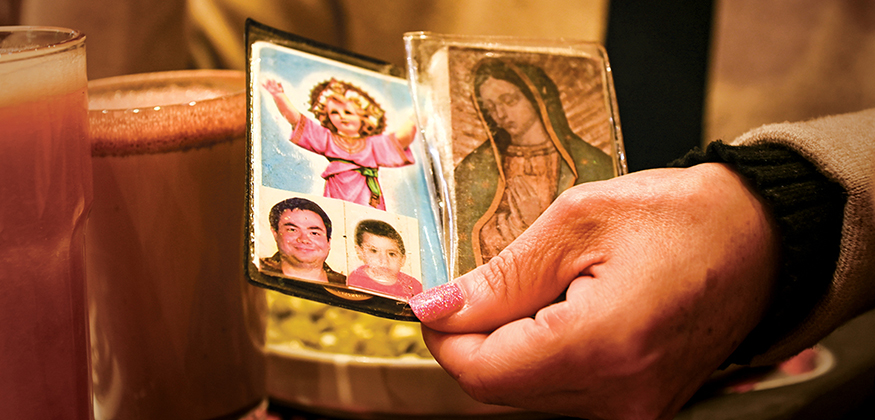
The Virgin of Guadalupe, more commonly referred to as the Virgin, is comparable to Mother Mary, the mother of Jesus. Mexican Catholics consider the Virgin a co-redemptrix, viewing her as an equal participant in Christ's redemptive death. This is the Catholic principle of participation, where disciples of Jesus share Christ’s life of grace without contributing or diminishing anything from Him. People venerate the Virgin. They see her as holier than other saints. Although she is not officially deified, many people in Mexico view the Virgin as divine. People see her as an intercessor, with the ability to direct God’s attention to personal needs. Mexican Catholics pray to her, commemorate her through images and statues, and praise her for works they believe she orchestrated.
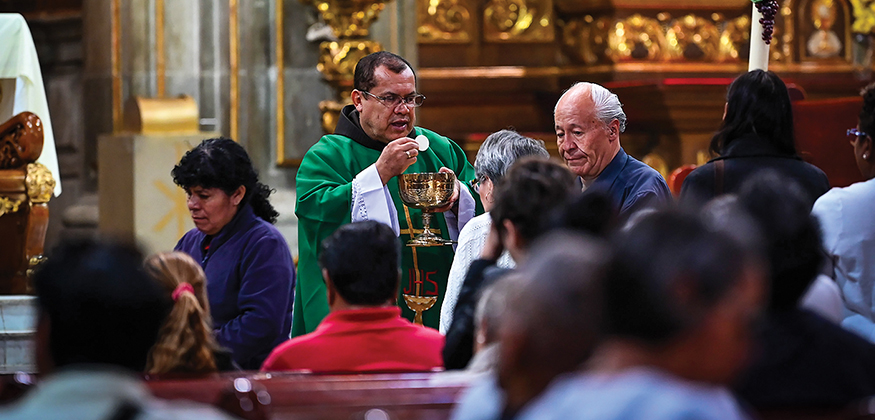
During the week of Dec. 12, people across Mexico celebrate the Virgin’s appearance to Juan Diego with food, dancing, parades, and special masses. Many Mexicans travel on foot, bike, or car to visit the Basilica. For some, their homage to the Basilica is a tradition. For others, it is fulfilling a vow to the Virgin for answered prayers. Many believe that the more sacrificial the journey, the more likely the Virgin is to grant their requests.
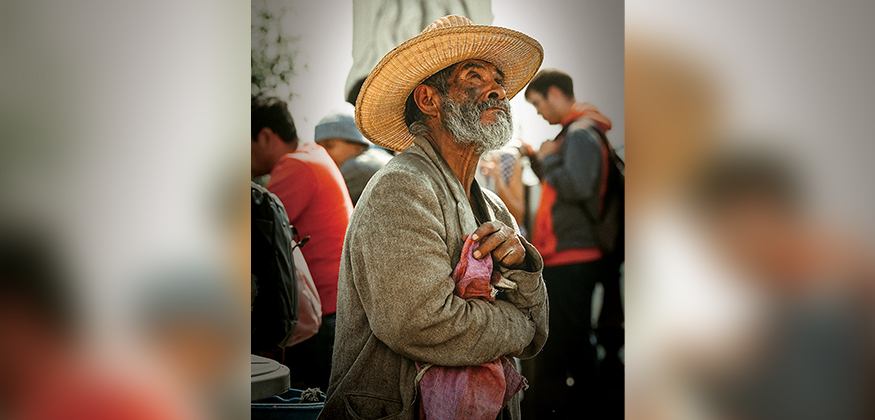
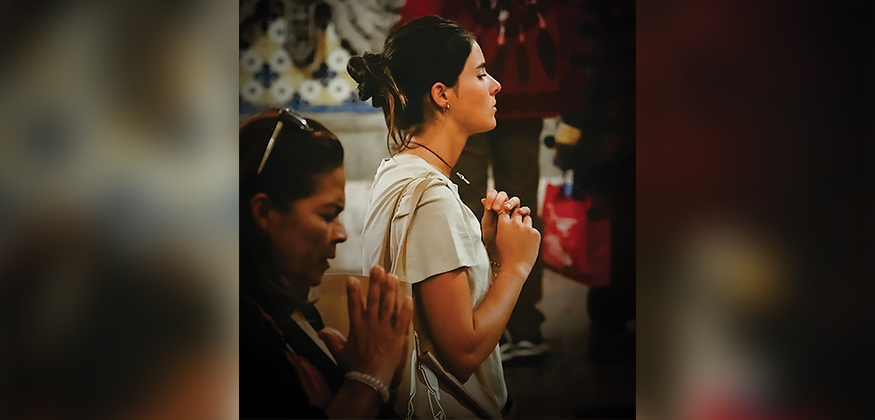
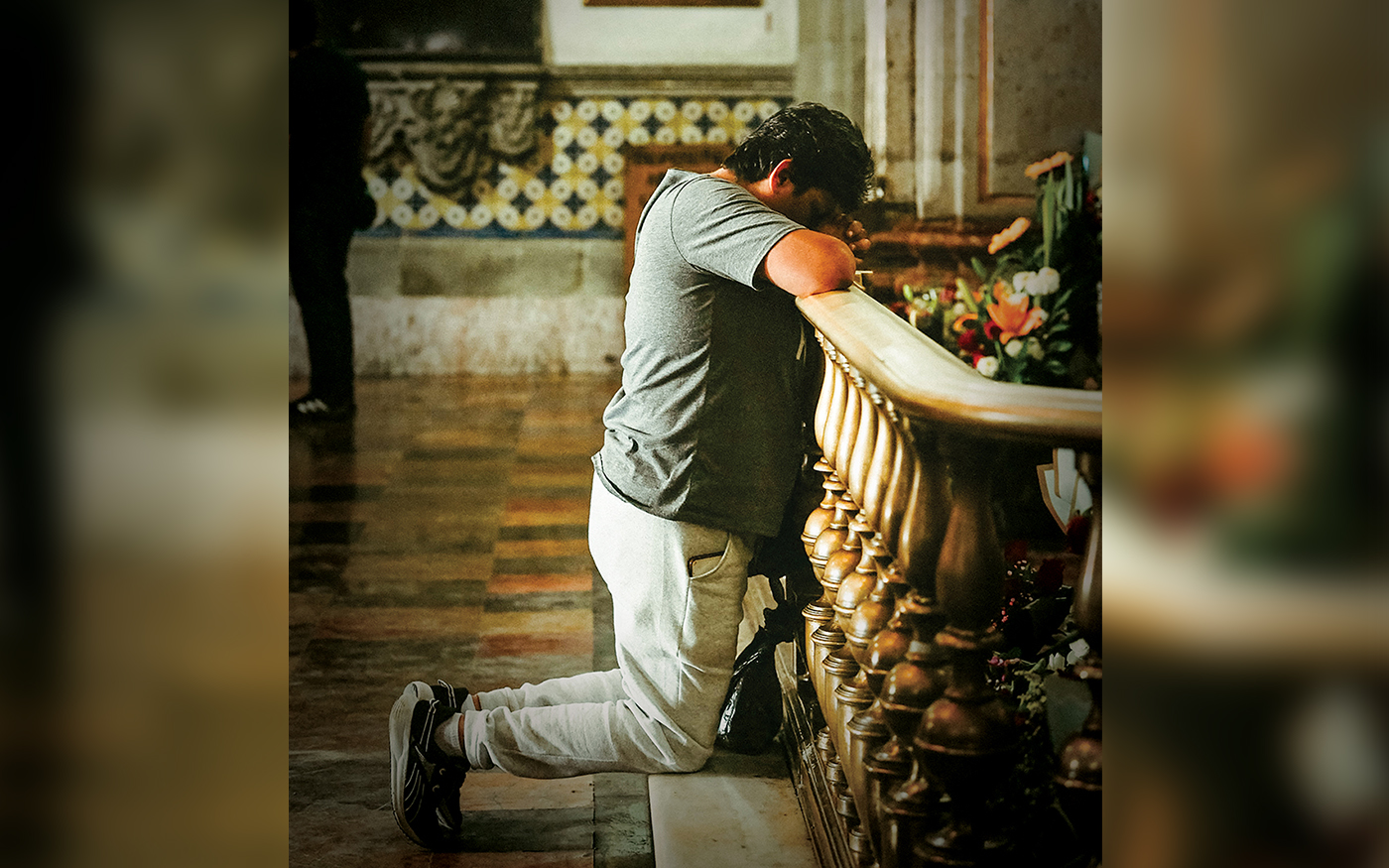
The Basilica is no less crowded than the streets. Millions of people travel in different directions brushing past one another on the way to large, intricately designed temples, churches, statues, and baptistries. Some have crawled for miles on their knees to show their devotion to the Virgin. Others carry large, heavy statues, or tapestries — some requiring multiple men to carry them — to show their love for the Virgin. Many have walked or biked for multiple days to reach the Basilica.
Among the millions of travelers is the Gonzales family — a 79-year-old man and his daughters. This family has visited the Basilica for the past 15 years to give thanks to the Virgin. Their hometown of Iztapalapa is only an hour’s drive from the Basilica, but they chose to make their journey on foot — a four-hour walk.
“My little father is 79 years old. He’s walking. He can walk more than all of us,” said Carmen Gonzales. “It’s funny, coming to the Basilica evokes an emotion we can’t express. It’s hard to put into words.”
Although homage at the Basilica is common in Mexico, the evangelical minority do not celebrate Dia De La Virgen de Guadalupe — Day of Our Lady of Guadalupe. Naomi Rodriguez Pena is the lead pastor of Iglesia Libertad, an Assemblies of God church in Colonia De Libertad, Mexico. Naomi equips her congregation to connect with those who worship the Virgin.
“I feel pain because those who are devoted to the Virgin have been deceived,” she explains. “I don’t blame them. … Mexicans have very good hearts … but they have been trapped in this lie. It hurts to see them deceived, but I know God has a plan for them, just like He has one for me. We have to pray for opportunities to connect with them.”
In her 41 years of pastoring, Naomi has seen people slowly transition from their cultural tradition to wholehearted devotion to Jesus Christ. One Sunday, a 70-year-old woman arrived at Iglesia Libertad, insisting she was Catholic. After experiencing God’s healing power, the woman gave a testimony, thanking God for all He had done for her.
When this woman recognized Jesus as her Healer, she began to feel estranged from her Catholic faith. Later, she called Naomi and explained that she had a picture of the Virgin as well as statues of saints in her home.
The woman said, “I understand that I am no longer Catholic. I want to take down the photos and statues, but I can’t.” She wrestled with keeping her religious tradition and acknowledging Christ’s sole authority.
Naomi helped the woman remove the photo of the Virgin and the statues of saints in her home. Shortly after this, Naomi baptized this woman at Iglesia Libertad. Her husband and children began attending church with her.
“Overcoming devotion to the Virgin is a barrier, but it’s not impossible. It’s a process,” says Naomi.
Slowly, through discipleship, relationship, and the work of the Holy Spirit, people are seeing Jesus as the only One worthy of worship.
Assemblies of God World Missions global workers are partnering with national churches to reach those devoted to the Virgin Guadalupe. These global workers have invested years in reaching Mexico with the truth of Jesus.
“It’s a very challenging, deep thing … yet the Holy Spirit can do the work. Our job is to present Jesus and help guide people to a place to encounter Him,” says an Assemblies of God global worker to Mexico. “It’s interesting to talk to people and see where they’re at in their journey and give them time to arrive at a place of understanding the difference.”
Although many believe the gospel has penetrated Mexico, this is not the case. We need to proclaim Christ’s authority to a country steeped in religious tradition and works. Pray that the eyes of Mexico would shift toward Jesus, His sacrifice, and His Lordship over every other being. Pray that churches would become as crowded as the Basilica — filled with people hungry for His truth. Pray that the people of Mexico would know the unearned, undeserved love of Jesus and be set free from trusting in anything other than Christ.
This article originally appeared in Worldview magazine. Used with permission.